







Search Results for: certificate of origin

Major Reform of the SCA Coffee Certification System: Credit-Based "Black Certificates" to Be Discontinued, New Skills Certificates Require Comprehensive Learning
The Specialty Coffee Association (SCA) recently announced that it will launch a brand-new SCA skills certificate system, gradually replacing the current SCA coffee certificates. The application deadline for the current Black Certificate (100-point certificate) is December 31, 2023, and the new certification will be fully implemented starting in 2024. The new system is divided into four major certification tracks, each requiring completion of three foundational courses—Coffee Skills, Sustainability, and Technology—before advancing to the corresponding higher-level study, completely abandoning the credit system. For professionals currently preparing for or planning to obtain the old Black Certificate, this year is the final window of opportunity. [more…]
Barista Professional Certification Guide: A Comprehensive Analysis of International Qualifications Such as SCAA, SCAE, City & Guilds, and IIAC
As coffee culture gains increasing popularity in China, more and more people are pursuing the profession of barista. A barista is not only a maker of beverages, but also a practitioner of life aesthetics and craftsmanship. However, faced with a dazzling array of international certification systems, many practitioners often feel confused: which authoritative coffee qualification certificates are actually worth obtaining? This article systematically reviews several major international coffee certification bodies currently in the mainstream—including the American SCAA, the European SCAE, the British City & Guilds, and the Italian IIAC—along with their corresponding courses and qualification requirements, to help baristas clarify their career advancement paths and find a certification direction that suits them. [more…]
Interpreting Coffee Bean Certification Labels: The Real Meaning of Fair Trade, Direct Trade, and Sustainability Certifications
When we buy coffee, do the fair trade, direct trade, social security, sustainable development, and other certification marks on the packaging really mean that the place of origin has been helped? As consumers, we pay more and more attention to these labels, but our understanding of the mechanisms behind them and their actual effects is limited. This article will deeply analyze the meaning, operating methods, and limitations of various coffee certification systems, and at the same time introduce practical cases such as Front Street in promoting sustainable development in places of origin, to help you support the healthy development of the coffee industry through more rational consumer behavior. [more…]
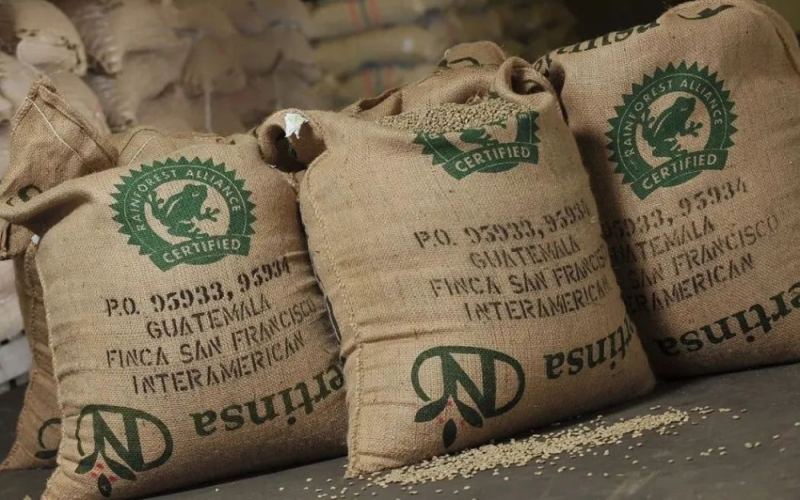
Rainforest Alliance Certification and the "Frog Bean" Revealed: The Sustainable Coffee System Behind the Red-Eyed Tree Frog Logo
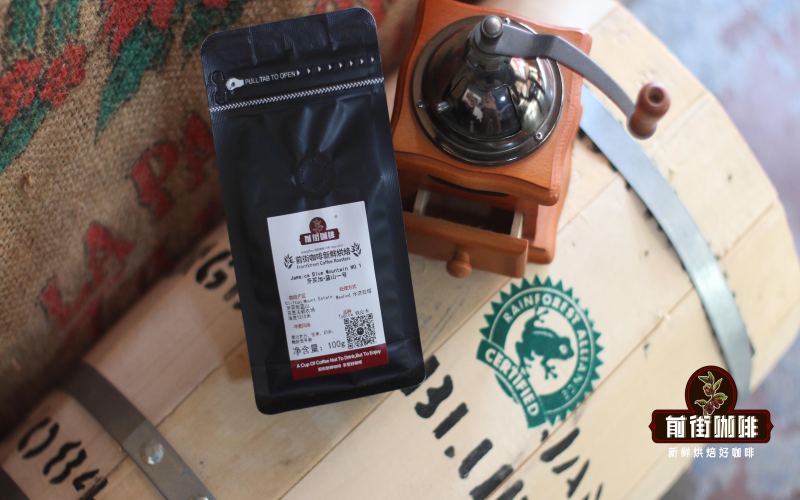
In the specialty coffee world, the term "frog bean" may be niche, but it points to a rigorous environmental certification system—Rainforest Alliance certification. Coffee beans bearing the green red-eyed tree frog logo mean that everything from cultivation to processing meets ecological protection and social responsibility standards. This article will walk you through the origins of the Rainforest Alliance, its merger with UTZ, the specific contents of the certification criteria, and why the red-eyed tree frog was chosen as the logo. We will also introduce the rare coffees currently on the market that have obtained this certification, including Front Street Coffee's Panama Diamond Mountain and Jamaica Clifton Mount Estate Blue Mountain No. 1, to help you understand the flavor and value behind "frog beans." [more…]

Is It Worth Getting a Barista Certification? A Full Breakdown of the Differences Between SCA Certification and Q-Grader Qualification
Does working in the coffee industry really require obtaining a certification? This is a question that many coffee professionals and enthusiasts have pondered repeatedly. In recent years, China's coffee market has grown rapidly, with all kinds of training institutions springing up endlessly, and huge disparities in qualifications and fees, leading many people to waste their money. This article focuses on two paths—the SCA Barista certification and the Q-Grader coffee quality grader certification—sorting out their level systems, exam rules, fee ranges, and suitable audiences, to help readers judge whether certification fits their own career plans, while also discussing the practical value of certificates and the importance of subsequent self-improvement. [more…]
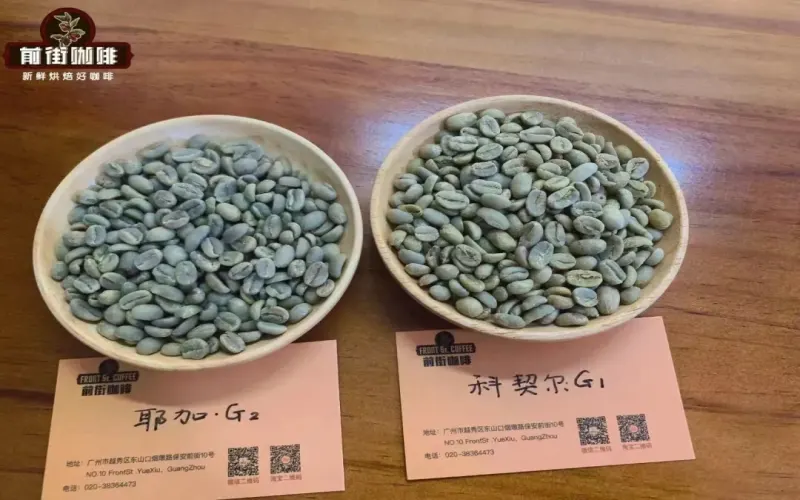
Why Is Rainforest Alliance Certified Coffee Called Frog Beans? An Analysis of the Relationship Between Blue Mountain Coffee Flavor and Certification
Have you ever heard the term "frog bean"? It doesn't refer to green coffee beans that look like frogs, nor to the "goat hoof" beans caused by Indonesia's wet-hulling process, but rather to coffee beans that have received Rainforest Alliance certification—because the logo of this certification is a red-eyed tree frog. The Rainforest Alliance was founded in 1987 and is an international non-profit organization operating at the intersection of agriculture, forestry, and business. Its certification focuses on whether farms adopt sustainable agriculture and natural resource management practices, with a particular requirement that coffee be grown under the shade of native forest trees using traditional farming methods. Coffee beans that pass certification may use the Rainforest Alliance logo and gain priority sales channels. However, certification does not necessarily mean the flavor is outstanding; it mainly evaluates the growing environment. The Blue Mountain coffee currently sold by Front Street Coffee is the only bean it offers with this certification, and within the Blue Mountain region, only Clifton Mount Estate holds the certification. Let's now take a closer look at frog beans, the Rainforest Alliance, and the flavor performance of Front Street Coffee's Blue Mountain. [more…]
A Complete Guide to Authenticating Jamaican Blue Mountain Coffee and Understanding Its Grade Certification: Front Street Coffee Teaches You to Identify Genuine Blue Mountain by Price, Barrel, and Certificate
Jamaican Blue Mountain coffee is renowned worldwide, but the market is full of imitations. How can you confirm whether the Blue Mountain in your hands is authentic? This article starts with Front Street Coffee's Blue Mountain No. 1, systematically outlining the three keys to identifying genuine Blue Mountain—price range, wooden barrel packaging, and certificate of origin—and takes a deeper look at the CIB's grading standards for Blue Mountain, explaining why Blue Mountain No. 1 qualifies as the highest grade. It also introduces Front Street's philosophy and flavor presentation when roasting Blue Mountain, helping coffee lovers make more accurate judgments when purchasing and tasting. [more…]
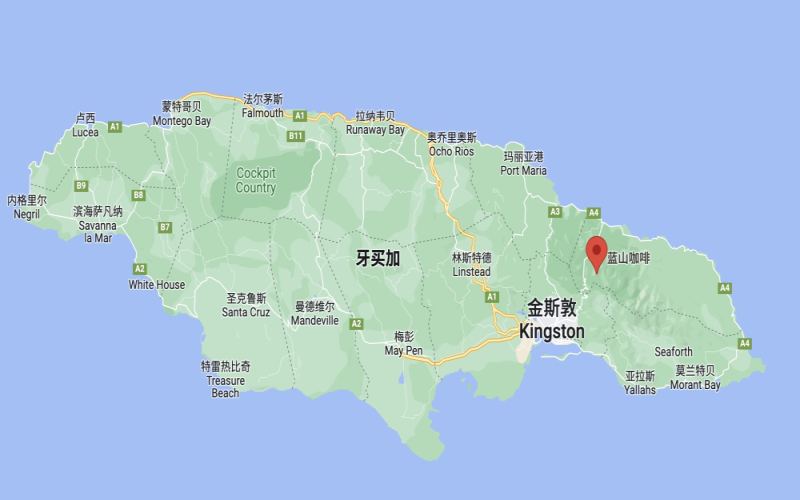
Jamaica Blue Mountain Coffee Brands: An Analysis of Authentic Blue Mountain No. 1 Beans' Origin, Certification, and Brewing Flavor
Blue Mountain coffee is widely recognized as one of the finest coffee varieties in the world, with limited annual production and prices that are therefore higher than those of most other producing regions. Its elegant, mellow flavor has captivated generations of coffee lovers. In this article, Front Street Coffee will guide readers through a systematic understanding of authentic Blue Mountain coffee: from the growing environment of the Blue Mountains, to the strict altitude requirements for Blue Mountain coffee, to how to identify genuine Blue Mountain beans, recommendations for Blue Mountain coffee brands, and the brewing parameters and flavor profile of Front Street Blue Mountain No. 1. The article will also introduce Clifton Estate's innovative initiatives and Rainforest Alliance certification, helping readers gain a comprehensive grasp of the core knowledge behind this legendary coffee. [more…]
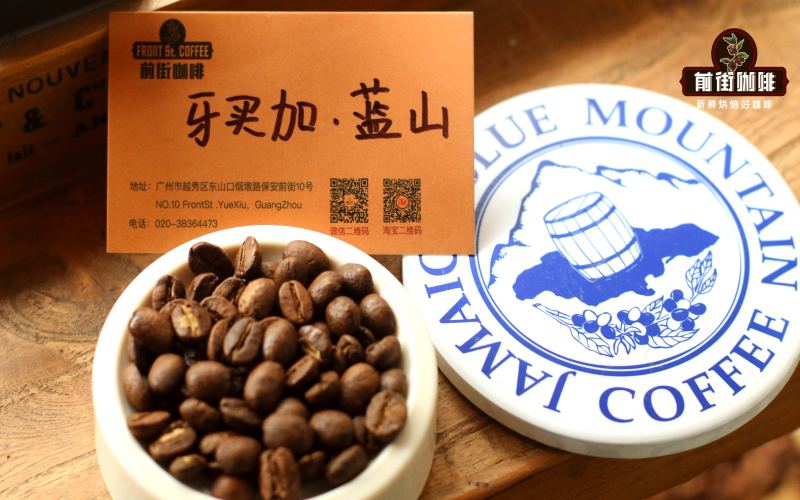
A Full Guide to the Origin of the Name Jamaican Blue Mountain Coffee and How to Spot the Real Thing: From Origin Certification to a Front Street Coffee Buying Guide
Why is Blue Mountain coffee named "Blue Mountain"? What makes it the second most expensive coffee in the world? This article begins with the geography of Jamaica's Blue Mountain range, tracing the origin of the name Blue Mountain coffee, the growing conditions of its production area, the advantages of the Typica variety and the washed process, the history of Japan's long-standing monopoly on the market, and the certification system of the Jamaica Coffee Industry Board (CIB). At the same time, the article breaks down in detail how to identify borderline products on the market such as "Blue Mountain flavor" and "Blue Mountain blend," introduces the three key points for identifying authentic Blue Mountain coffee—designated export companies, barrel-packed green beans, and authorization certificates—and, drawing on Front Street Coffee's sourcing examples, explains why Clifton Farm was chosen, as well as the current actual price range of Blue Mountain coffee, helping coffee lovers buy genuine Jamaican Blue Mountain. [more…]
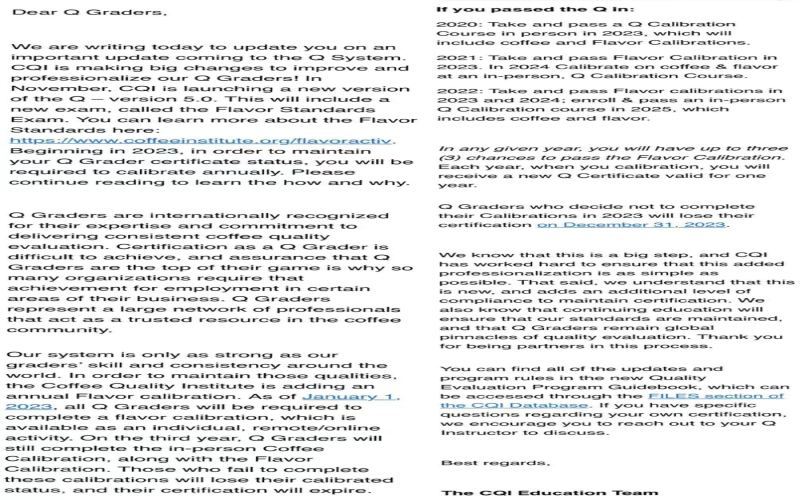
New Q Grader Certification Rules: Starting in 2023, annual flavor calibration is required, with fees and validity periods adjusted accordingly
Starting January 1, 2023, the Q Grader certification system will undergo significant changes. CQI requires all certified individuals and those currently enrolled in courses to independently complete an annual flavor calibration called Flavoractiv Calibration; otherwise, their certification will become invalid, and the certificate validity period will be shortened from three years to one year. At the same time, the triennial cupping calibration must still be attended as usual. The new requirement does not need an instructor present; individuals only need to purchase designated capsules, follow the instructions, and upload their answers to renew. CQI has also introduced calibration packages for different group sizes, priced from $160 to $585, with lower unit prices for larger groups. This article will provide a detailed interpretation of the new rules and fee changes. [more…]
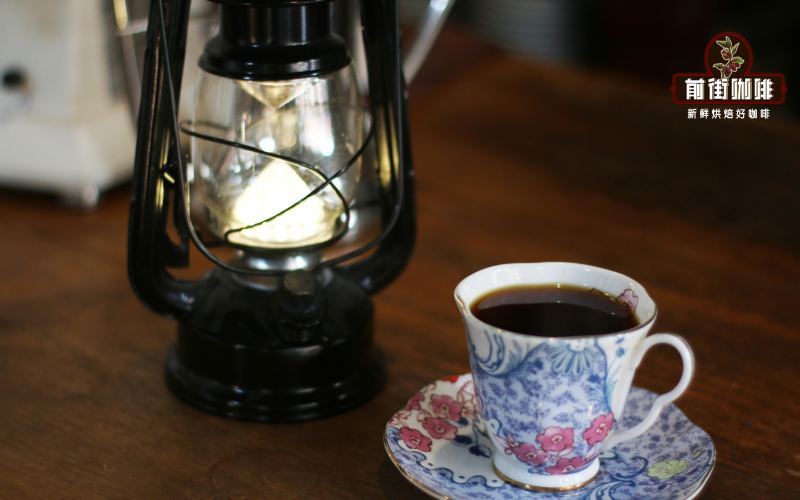
Are Blue Mountain Coffee and Blue Mountain Flavor the Same Thing? Jamaican Certification Standards and an Analysis of Authentic Blue Mountain No. 1 Taste
There are countless coffees on the market labeled "Blue Mountain," but genuine Jamaican Blue Mountain coffee is actually something entirely different from "Blue Mountain flavor" or "Blue Mountain blend." This article starts with the producing region's elevation, the certification system, and production limits to help you distinguish the line between real and fake Blue Mountain coffee, and introduces the Clifton Estate Blue Mountain No. 1 currently sold by Front Street Coffee, including its specifications, roasting approach, pour-over parameters, and flavor profile. [more…]
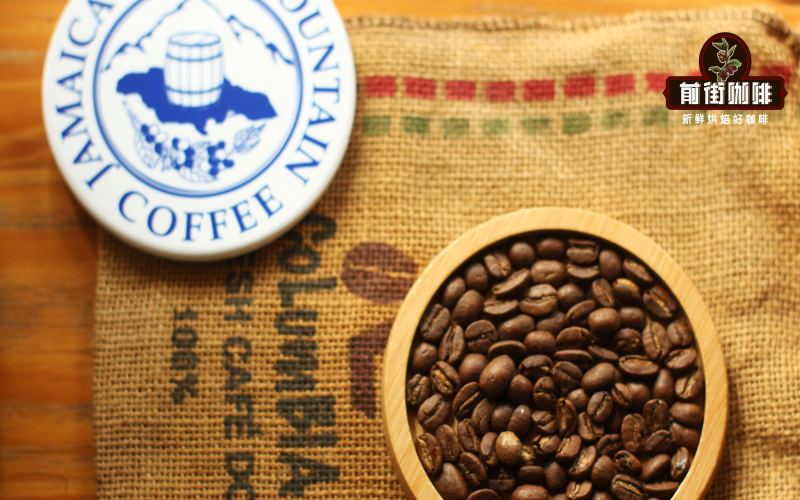
A Complete Guide to Jamaica Blue Mountain No. 1 Clifton Estate: Flavor Characteristics, Certification System, and Brewing Key Points
Jamaican Blue Mountain coffee is one of the most renowned specialty coffees in the world, prized for its scarce yield and high price, with Blue Mountain No. 1 from Clifton Estate being especially highly regarded. The Blue Mountain coffee beans selected this time by Front Street Coffee come precisely from this estate, which has a two-hundred-year history and is the only Blue Mountain estate in Jamaica to have obtained Rainforest Alliance certification. This article will systematically review the historical origins and growing-region conditions of Blue Mountain coffee, introduce the respective characteristics of Jamaica's four major Blue Mountain estates, explain in detail the washed processing flow and the barrel-packaging tradition, and describe the certification system for Blue Mountain coffee. In addition, Front Street Coffee will also share a medium-dark roast profile and a Kono dripper brewing recipe for this bean, helping coffee lovers fully appreciate its full, balanced, mellow body and its layered flavors interwoven with chocolate and nuts. [more…]
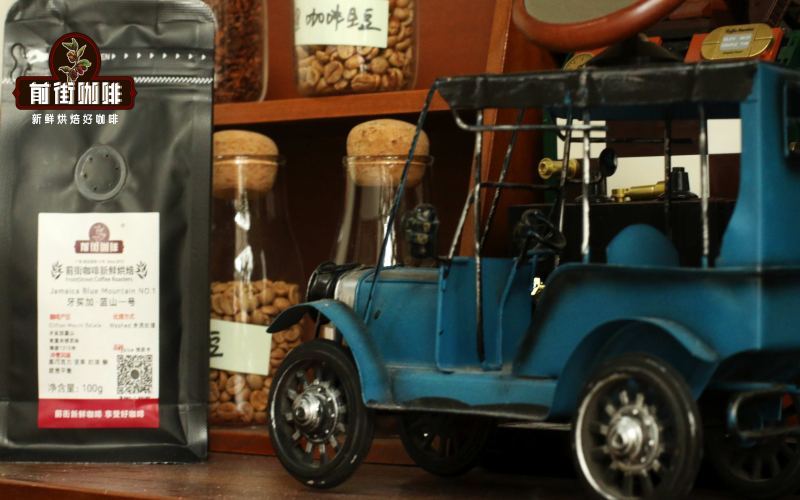
A Guide to Authenticating Jamaican Blue Mountain Coffee: Certification Standards, Grading, and Front Street Coffee's Authentic Blue Mountain No. 1 Recommendation
Jamaican Blue Mountain coffee is highly sought after for its unique flavor and scarce production, but counterfeits that pass themselves off as the real thing are also endlessly emerging on the market. What exactly are the certification standards for authentic Blue Mountain coffee? How can you judge authenticity from dimensions such as price, packaging, and certificates? Why has Blue Mountain No. 1 become the highest grade? Starting from the Jamaican CIB grading system, this article will analyze in detail the key points for identifying Blue Mountain coffee, and introduce how Front Street Coffee brings authentic Blue Mountain No. 1 to domestic consumers at an affordable price. Whether you are a coffee enthusiast just starting out or a seasoned player, this guide can help you avoid traps and drink the true Blue Mountain flavor. [more…]
Heytea's Start of Autumn marketing campaign goes big on creative stunts: a 1.5-meter honor certificate and a half-person-tall cup spark heated discussion, with store sales soaring over 600%.
Start of Autumn was originally a solar term, but today it has become a carnival moment for milk tea consumption. Major brands are pulling out all the stops to compete for the traffic around the "first cup of milk tea in autumn." This year, Heytea has made "big" its core strategy, creating a strong social topic with a giant Heytea cup half a person's height and a 1.5-meter-tall "Heytea Person Honor Certificate." The event rules are simple: the customer who places the 8,001st in-store order receives the giant certificate. Some people drove seven kilometers under the scorching sun just for this sense of ceremony, while other socially anxious customers were caught off guard by the sudden award ceremony. The brand also considered the details, making the certificate foldable and easy to carry. Data shows that on the day of Start of Autumn, sales at many Heytea stores increased by more than 600% compared with the previous day, and first-day sales of the new product "Extra Chunky Yellow Peach Mango" exceeded 400,000 cups, setting a brand record. This article was compiled by Coffee Workshop and takes you through the behind-the-scenes story of this unconventional marketing campaign. [more…]
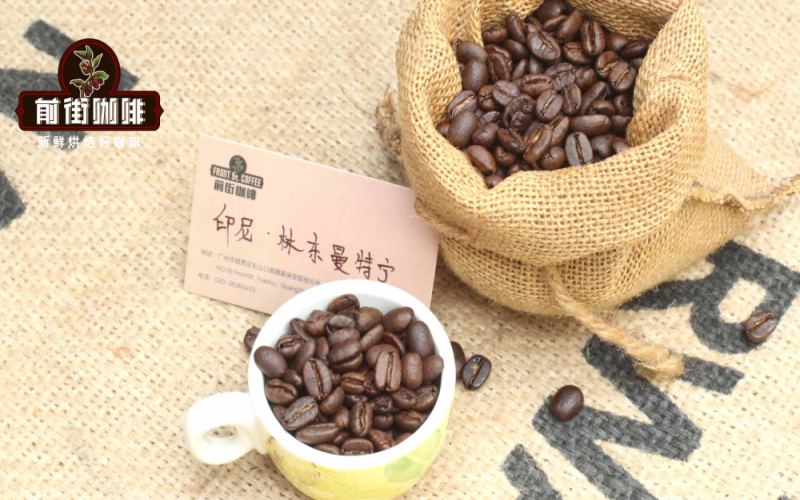
How Is Golden Mandheling Different from Regular Mandheling? A Comprehensive Interpretation from Origin and Processing to Grade Certification
Sumatran Mandheling coffee from Indonesia is renowned for its herbal, spicy, and woody notes, with the wet-hulling process giving it a unique flavor that is low in acidity and full-bodied. Golden Mandheling, as its top-tier representative, stands out with a cleaner sweetness and higher grading standards. This article will systematically analyze the substantive differences between Golden Mandheling and regular Mandheling from the perspectives of origin terroir, processing methods, grade screening, and brand certification, and introduce the sourcing and quality assurance of Front Street Coffee's Golden Mandheling, helping coffee enthusiasts clearly identify true Golden Mandheling. [more…]
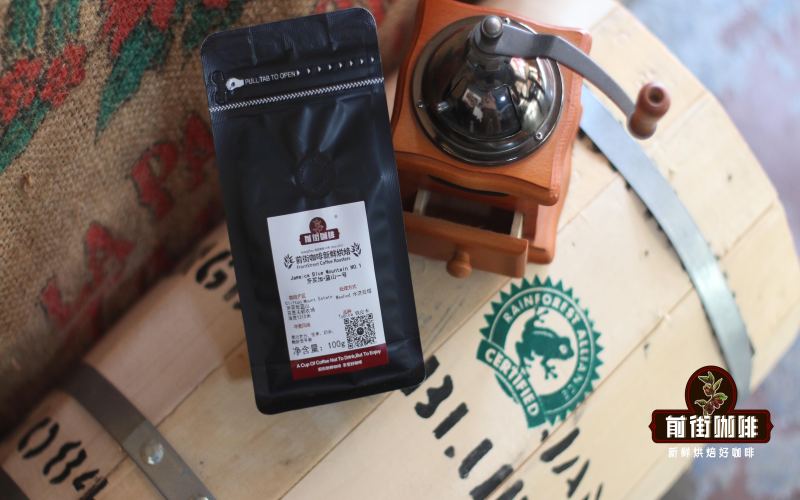
How to Identify Authentic Jamaican Blue Mountain Coffee Beans? A Complete Analysis from Origin Grading to Flavor Characteristics
Blue Mountain coffee has long been hailed as the "King of Coffee," yet market prices range wildly from affordable to exorbitant, leaving consumers bewildered by the dazzling array of products and often unable to tell genuine from fake. Although Jamaica's Blue Mountain range produces exceptional coffee, this does not mean every bean from the region can bear the name "Blue Mountain." The Jamaica Coffee Industry Board (CIB) has established strict divisions of coffee-growing regions based on altitude, and only beans grown within a specific elevation range may use the Blue Mountain coffee designation. This article will systematically sort through the grading standards and quality certification system for Jamaican Blue Mountain coffee, explain the flavor profile of authentic Blue Mountain coffee, and recommend relevant product information from Front Street Coffee, helping coffee lovers make wiser choices when purchasing. [more…]
Brazil Cerrado Region's Cerrado Coffee Beans: The Flavor Code from Wilderness to Specialty Certification
Cerrado (also spelled Hilado/Hilado), which means "savage land" in Portuguese, has now become synonymous with Brazilian specialty coffee. This flat plateau at an altitude of about 1,000 meters, with its unique soil, abundant groundwater, and modern agricultural technology, has completed a magnificent transformation from being ignored to becoming a world-class producing region. In 2005, the Brazilian government officially certified the "Cerrado Designation of Origin," and only coffee beans that pass strict testing and score more than 75 points under SCAA scoring can receive this honor. This article will take you through an in-depth understanding of the birth of Cerrado coffee, the establishment of the CACCER producers association, ecological cultivation methods, two harvesting models, and the traceability system, along with recommendations from Front Street Coffee. Whether you are a coffee enthusiast or a professional in the industry, you can feel the unique flavor and craftsmanship that this land gives to coffee. [more…]
Analysis of Blue Mountain Coffee Flavor Characteristics and Pour-Over Techniques: How to Brew Front Street Blue Mountain No.1 for a Balanced, Mellow Taste
Blue Mountain coffee is an extremely well-known name in the coffee world, familiar even to those who don't drink coffee often. Front Street Blue Mountain No. 1 comes from Clifton Estate in Jamaica's Blue Mountain range, the only coffee estate in the Blue Mountain region to receive Rainforest Alliance certification. The Jamaican government has strict regulations on Blue Mountain coffee exports: authentic Blue Mountain coffee beans must be shipped in wooden barrels and accompanied by various certificates. Front Street Blue Mountain No. 1 uses the Typica variety and is roasted to a medium-dark level, pulled just before second crack, retaining a small amount of acidity. In cupping it shows a balance of acidity, sweetness, and bitterness, with soft fruity acidity, rich dark chocolate notes, and caramel sweetness. This article will introduce the origin background and roasting approach for this coffee, and share pour-over parameters and a staged pouring method to help enthusiasts brew a cup of full-bodied, sweet Blue Mountain coffee with a clean finish. [more…]
The Complete Guide to Jamaican Blue Mountain Coffee: Origin of the Name, Terroir, and How to Identify Authentic Beans
Why has Blue Mountain coffee become a legend in the coffee world? Its name comes from the blue radiance reflected off the Caribbean Sea, while its quality benefits from the high-altitude volcanic soil and the humid, foggy climate of eastern Jamaica. From the Typica variety introduced in the 18th century, to the government-led coffee revival plan in the 1950s, to Japan's long-term contracting and today's direct trade with the Chinese market, the identity of Blue Mountain coffee has always been closely tied to scarcity and strict certification. This article will systematically sort out the origin, meaning of the name, and processing methods of Blue Mountain coffee, and focus on how to distinguish genuine Blue Mountain coffee through three key points: the export company, barrel packaging, and authorization certificates. At the same time, the article will retain the Blue Mountain coffee product information recommended by the Front Street brand to help coffee lovers make clearer judgments when purchasing. [more…]
Jamaica Blue Mountain No.1 Coffee Beans Pour-Over Method: Authentic Flavor Profile Analysis and Brewing Parameters Guide
Blue Mountain coffee is a legendary coffee nurtured by Jamaica's Blue Mountains. Among these, Front Street Blue Mountain No. 1 coffee beans come from the historic Clifton Estate, which is also the only estate in the region to obtain Rainforest Alliance certification. This article will guide you through the origin background, certification system, and roasting approach of Front Street Blue Mountain No. 1 coffee beans, as well as how to fully release the nutty, dark chocolate, and caramel sweetness of this medium-dark roasted coffee through the KONO dripper and staged pouring technique. From the coffee-to-water ratio, water temperature, to grind size, every detail affects the final flavor performance. If you want to know how to brew authentic Blue Mountain No. 1 as pour-over so it tastes great, this content will provide a complete answer. [more…]